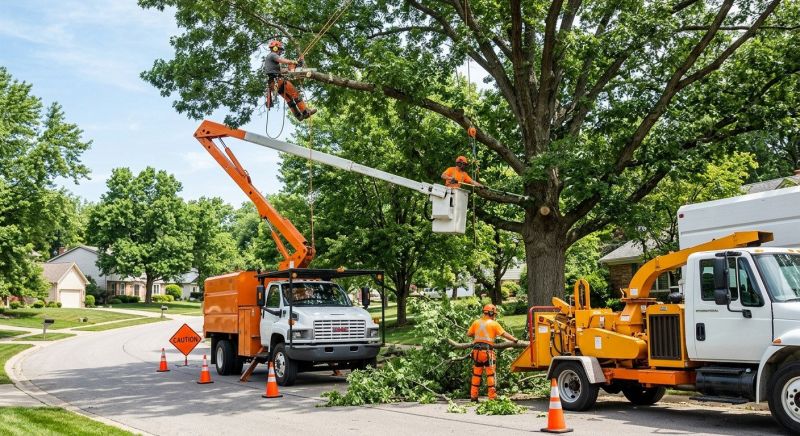
Tree Lopping Service in San Jose, CA
Tree lopping services involve the careful trimming and removal of specific branches or sections of a tree to improve its health, safety, or appearance. This type of service is often requested for projects such as reducing the size of overgrown trees, removing damaged or hazardous branches, or shaping trees to better suit the landscape. Property owners typically want to understand the scope of the work, including which parts of the tree will be affected, and ensure the procedure promotes the tree’s well-being while preventing potential risks to nearby structures or people.
Before requesting tree lopping, homeowners should consider the overall condition of the tree, including signs of disease or decay, and any local regulations or restrictions related to tree work. It’s also helpful to clarify the desired outcomes, whether for aesthetic reasons, safety, or tree health, to ensure the service aligns with property goals. Proper planning and understanding of the process can help achieve the best results for the landscape and safety of the property.
Many property owners in San Jose, CA look into Tree Lopping Service for repairs, replacements, upgrades, and appearance-related improvements.
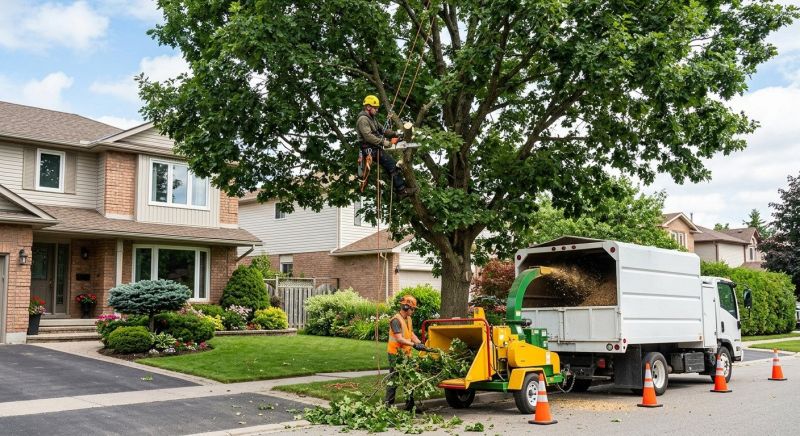
Tree Lopping For Safety And Clearance
Removing overgrown branches helps prevent hazards and allows better access around your property.
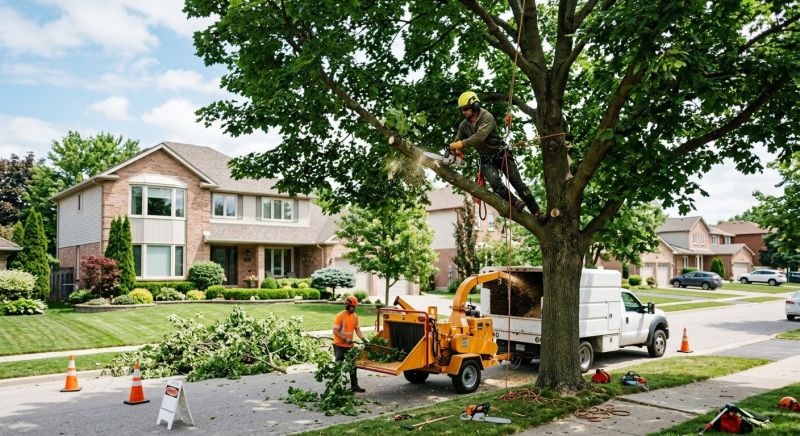
Tree Lopping For Health And Maintenance
Pruning damaged or diseased limbs promotes the overall health and longevity of your trees.
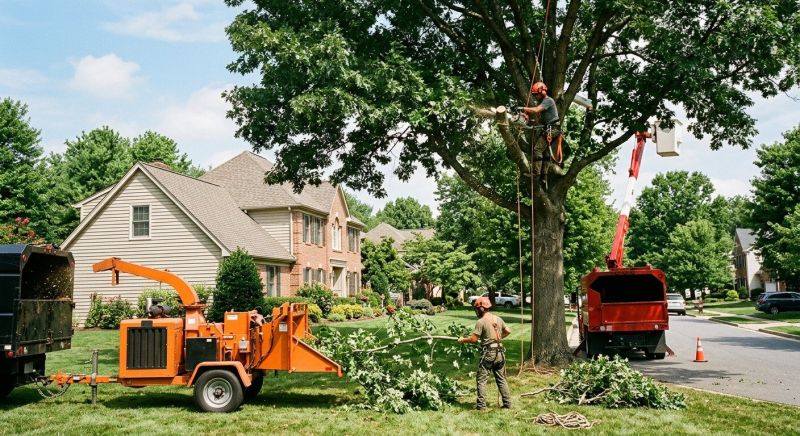
Tree Lopping For Aesthetic Appeal
Shaping and thinning trees can enhance the appearance and value of your landscape in san jose, ca.
Tree Lopping Service in San Jose, CA
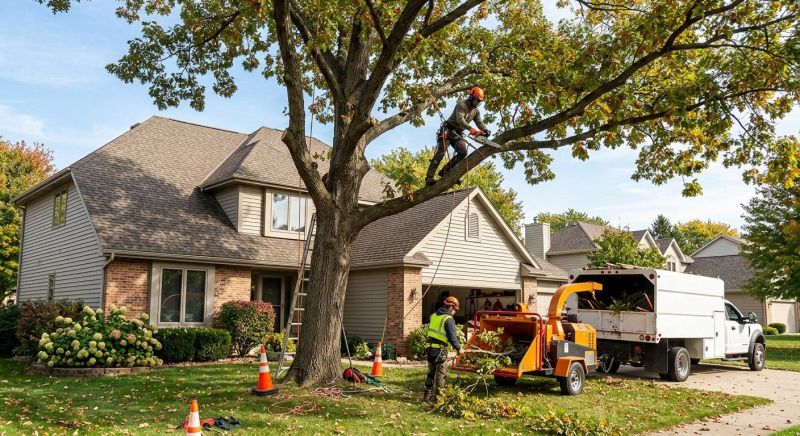
Tree lopping services involve the careful trimming and removal of specific branches or sections of a tree to improve its health, safety, or appearance. This type of service is often requested for projects such as reducing the size of overgrown trees, removing damaged or hazardous branches, or shaping trees to better suit the landscape. Property owners typically want to understand the scope of the work, including which parts of the tree will be affected, and ensure the procedure promotes the tree’s well-being while preventing potential risks to nearby structures or people.
Before requesting tree lopping, homeowners should consider the overall condition of the tree, including signs of disease or decay, and any local regulations or restrictions related to tree work. It’s also helpful to clarify the desired outcomes, whether for aesthetic reasons, safety, or tree health, to ensure the service aligns with property goals. Proper planning and understanding of the process can help achieve the best results for the landscape and safety of the property.
Many property owners in San Jose, CA look into Tree Lopping Service for repairs, replacements, upgrades, and appearance-related improvements.
Common Tree Lopping Service Jobs
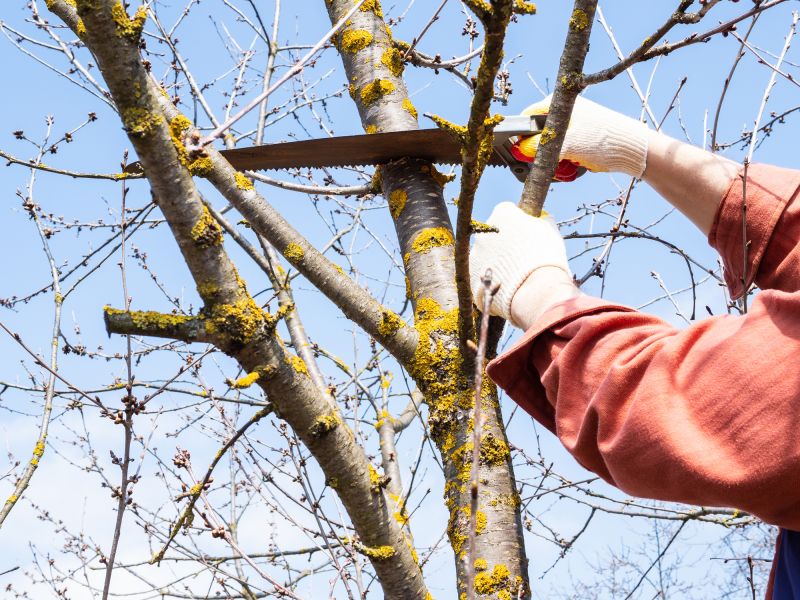
Tree pruning - removing overgrown branches to promote healthy growth and improve appearance.
Deadwood removal - eliminating dead or diseased limbs that can pose safety risks.
Storm damage cleanup - clearing broken or fallen branches after severe weather events.
Hazard tree removal - taking down trees that threaten structures or power lines.
Selective lopping - thinning specific branches to improve sunlight and air circulation.
Tree crown reduction - reducing the height and spread of large trees for safety and aesthetics.
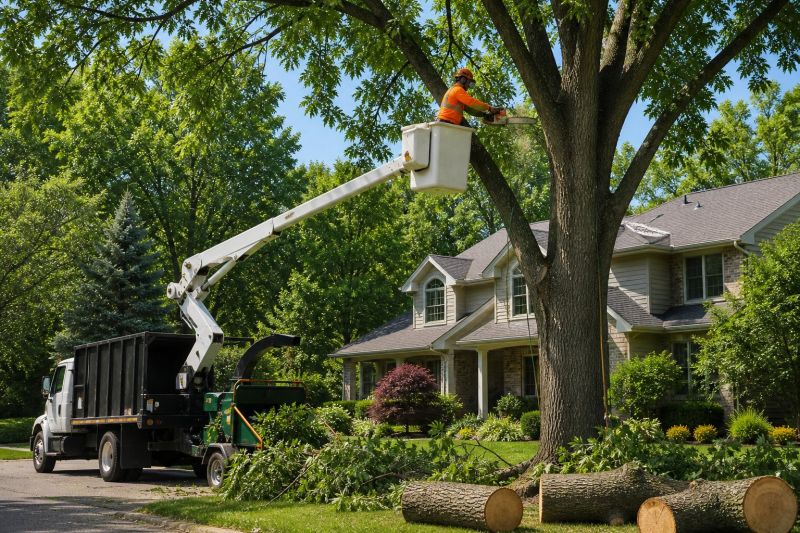
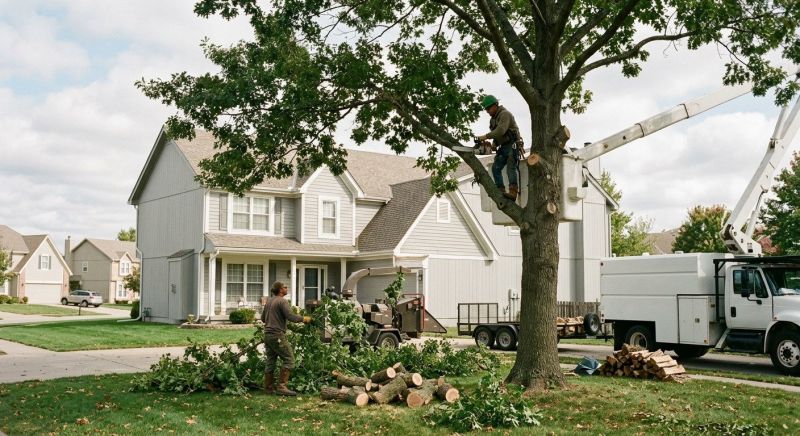
Tree Lopping Service Questions
What is tree lopping? Tree lopping involves removing specific branches or sections of a tree to improve its health, safety, or appearance.
Why consider tree lopping? It helps prevent hazards, promotes healthy growth, and maintains the overall look of the property.
Is tree lopping suitable for all trees? Not all trees require lopping; the decision depends on the tree's species, condition, and location.
How often should trees be lopped? The frequency varies based on the tree type and growth rate, typically assessed during routine maintenance checks.
Request Tree Lopping Service in San Jose, CA
Use the quote form on this page to share the basics of your project and request more information for the type of work you need.